What is the RAM Price Crisis?
Random Access Memory (RAM) is a crucial component of computer architecture, serving as the main memory that enables a computer system to store and retrieve data swiftly. Its significance cannot be overstated; RAM directly affects a system’s performance and efficiency, making it an essential element for both personal and enterprise computing. The RAM price crisis refers to the volatility in the pricing of this critical resource, a phenomenon that has garnered attention within the technology sector.
Historically, RAM prices have experienced significant fluctuations due to various factors, including supply chain constraints, manufacturing advancements, and shifts in consumer demand. For instance, during product launches or technological advancements, such as the transition to DDR4 and DDR5 RAM, prices may surge due to increased consumer interest and demand for higher performance levels. Conversely, prices typically decrease as manufacturers ramp up production or when there is a surplus in supply.
Currently, the RAM market faces a crisis characterized by notable price increases. According to recent market data, the cost of certain RAM modules has surged by over 30% in the past year. This rapid escalation is attributed to increased demand from consumer electronics and data center providers, alongside supply chain disruptions caused by global events. Additionally, the effects of geopolitical tensions and semiconductor shortages further exacerbate the price crisis.
Moreover, leading market analysts have reported a significant uptick in global demand for RAM, particularly driven by trends in cloud computing, artificial intelligence, and gaming. These factors collectively contribute to a challenging landscape for consumers and manufacturers alike, as provisions for future technological advancements hinge on the availability and affordability of RAM.
Key Factors Driving the Price Increase
The recent surge in RAM prices can be attributed to a confluence of factors that have significantly disrupted the market dynamics. One of the primary reasons for this increase is the ongoing supply chain disruptions that have been exacerbated by the global pandemic. Manufacturing facilities faced shutdowns and operational limitations, which severely impacted the production of semiconductor components, including RAM. With factories struggling to meet consumer demand, the limited supply has naturally led to higher prices.
Another critical factor contributing to the rising RAM prices is the increasing demand for high-performance computing. The shift toward more advanced applications, such as artificial intelligence and machine learning, requires systems that can process vast amounts of data swiftly, thereby necessitating higher RAM capacities. As businesses and individuals alike seek to upgrade their technology to keep pace with these advancements, the demand for RAM has surged, putting additional pressure on supply and pricing.
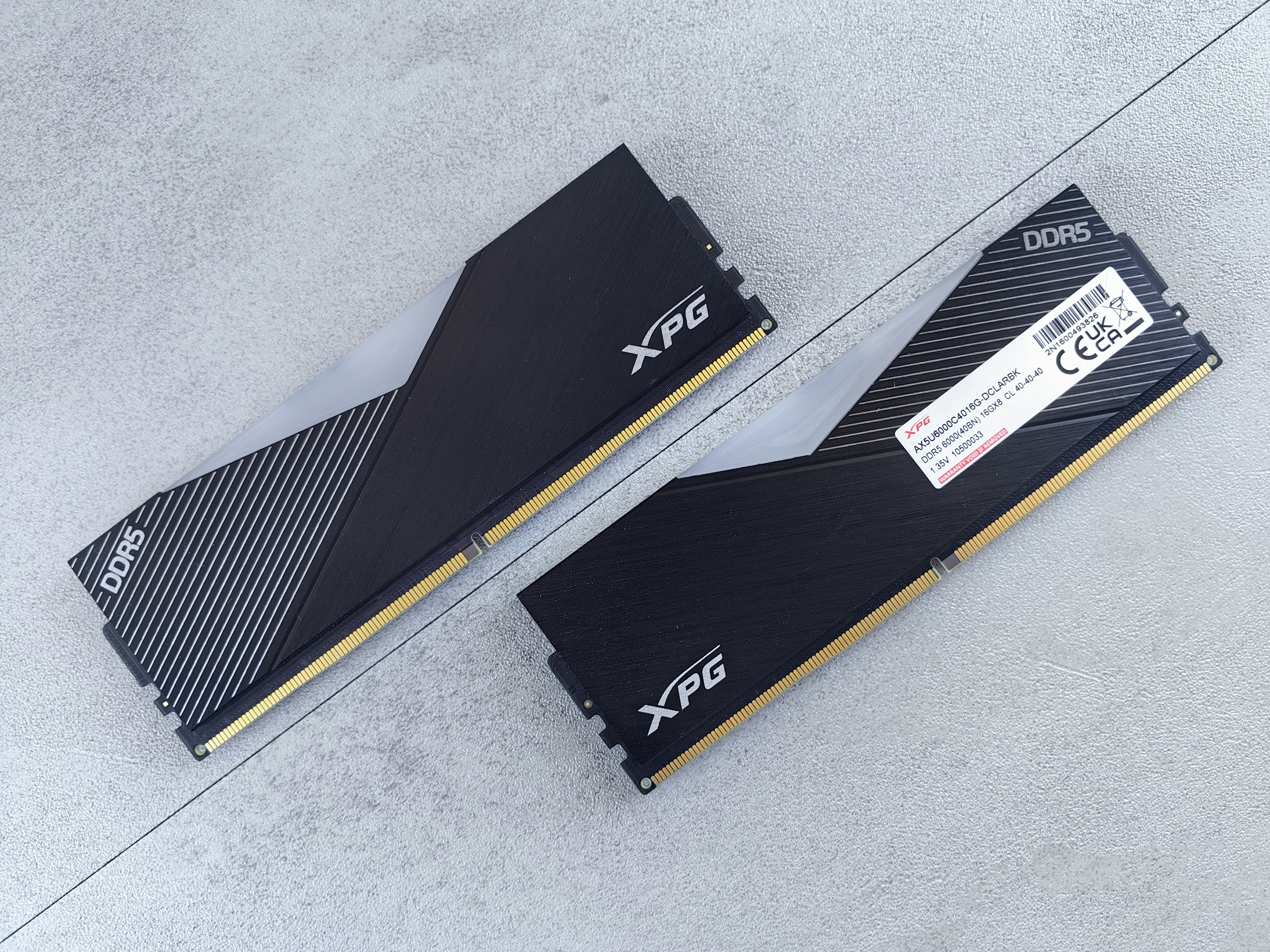
In addition, the transition to DDR5 technology, which offers enhanced performance and efficiency compared to its predecessor, DDR4, is influencing pricing trends. DDR5 memory is increasingly being adopted in new systems, leading to a spike in demand for this specific type of RAM. As manufacturers ramp up production to meet this demand, the limited availability of DDR5 chips can lead to higher prices on the market.
Finally, geopolitical tensions and trade disputes have also played a role in the pricing crisis. Uncertainties surrounding trade policies and tariffs can affect the cost of raw materials and production processes, further complicating the supply dynamics of RAM. Overall, these interrelated factors create a complex landscape for the RAM market, contributing to the persistent price increases observed in recent months.
The rising prices of random access memory (RAM) have significant ramifications for various stakeholders, including individual consumers, gamers, and businesses that depend on advanced technological infrastructure. As a critical component in computer systems, RAM is essential not only for general use but also for high-performance applications such as gaming and professional-grade software.
For individual consumers, increased RAM prices pose a challenge to affordability, particularly for those seeking to upgrade or build new systems. This surge in costs can modify purchasing decisions, with many individuals opting to delay upgrades or settle for lesser specifications. As a result, market demand for high-capacity RAM may diminish, impacting sales and prompting manufacturers to rethink their production strategies.
Gamers are particularly affected by the RAM price crisis. The gaming community often prioritizes having the latest hardware to enjoy high-quality graphics and smooth performance. However, with the skyrocketing costs of RAM, many gamers may be compelled to postpone needed upgrades, which could, in turn, influence the overall gaming experience. A chain reaction may emerge, where reduced spending on RAM contributes to slower market innovation and thus less compelling gaming offerings over time.
Businesses relying on robust technology infrastructures are also facing severe implications. For organizations that need to maintain competitive edge through upgraded systems, operating in a high-cost environment puts pressure on their budgets. Efficient cost management becomes crucial, as companies must evaluate when and how to invest in new technology amidst soaring RAM prices. This tightrope walk between maintaining up-to-date technological capabilities and controlling expenses can ultimately affect productivity and innovation, further complicating the current market landscape.
Future Outlook: Are Prices Expected to Stabilize?
The RAM market has exhibited significant volatility in recent years, leaving many stakeholders uncertain about future pricing trends. Analysts continue to contemplate a variety of influences that may drive RAM prices in the near and long term. Current forecasts suggest a mixed outlook, identifying some indicators of stability while recognizing potential disruptions.
Initially, market-specific trends, such as demand fluctuations from the burgeoning fields of artificial intelligence and graphics processing, are likely to exert pressure on RAM supply and pricing. Experts have noted that while production capacities are set to increase, the rapid pace of technology advancement could result in persistent high demand, which may inhibit price stabilization. The integration of newer, faster types of RAM, taking advantage of LPDDR5 and DDR5 technologies, may also shift market dynamics, impacting production and pricing strategies.
Furthermore, manufacturers are increasingly investing in advanced semiconductor technologies to enhance production efficiency. These innovations may help alleviate some pressure on RAM prices by reducing manufacturing costs and enabling a more sustained supply chain. However, environmental regulations and geopolitical considerations could still pose challenges, particularly as companies expand their operations in regions with varying compliance requirements.
In preparation for potential future shortages, consumers are encouraged to remain vigilant. It is wise to make informed purchases by watching market trends and exploring various suppliers, as prices can fluctuate unpredictably. Buying RAM during off-peak seasons or when promotional offers arise can also be beneficial. Awareness of technology advancements will empower consumers to choose the most relevant types of RAM suited for their needs, thereby making strategic decisions during this ongoing crisis.